


Advanced Diagnostic Imaging: What You Need to Know
When it comes to understanding our health, having clear and accurate information is key. That’s where advanced diagnostic imaging steps in. It’s a powerful tool that helps doctors see inside the body without surgery. Whether you’re managing a chronic condition or just want to stay on top of your health, knowing about these imaging techniques can make a big difference.
What Is Advanced Diagnostic Imaging?
Advanced diagnostic imaging refers to a variety of medical tests that create detailed pictures of the inside of your body. These images help healthcare providers diagnose illnesses, monitor progress, and plan treatments. Unlike basic X-rays, advanced imaging offers more detailed views, often in 3D, allowing for better understanding of complex conditions.
Some common types of advanced diagnostic imaging include:
MRI (Magnetic Resonance Imaging): Uses magnets and radio waves to create detailed images of organs and tissues.
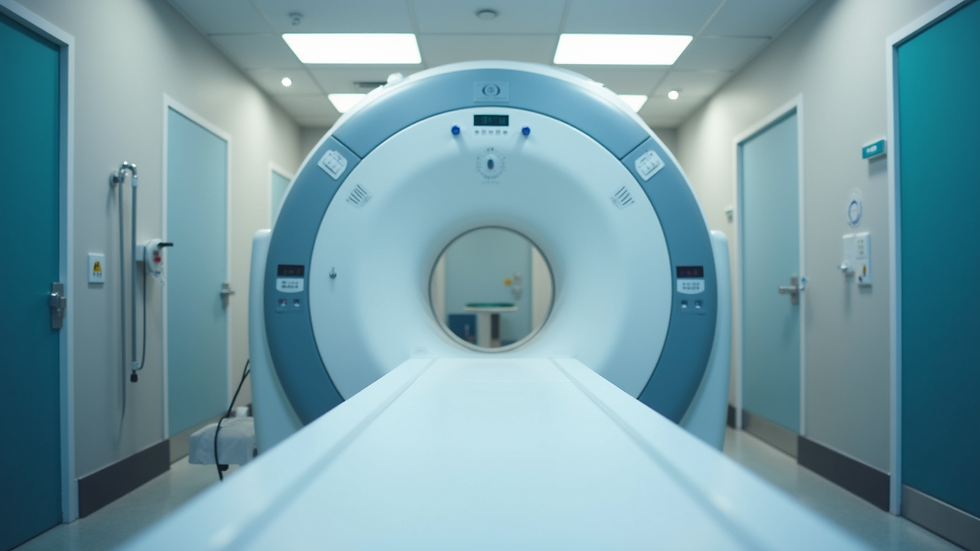
CT Scan (Computed Tomography): Combines X-rays taken from different angles to produce cross-sectional images.
Ultrasound: Uses sound waves to visualize soft tissues, often used during pregnancy or to examine organs.
PET Scan (Positron Emission Tomography): Shows how tissues and organs are functioning by detecting radioactive tracers.
Each method has its strengths and is chosen based on what the doctor needs to see.
Why Advanced Diagnostic Imaging Matters
Imagine trying to fix a car without opening the hood. That’s what diagnosing some health issues can feel like without imaging. Advanced diagnostic imaging gives doctors a clear view inside the body, helping them find problems early and treat them effectively.
For example, if someone has persistent headaches, an MRI can reveal if there’s an issue with the brain. If there’s unexplained abdominal pain, a CT scan might show inflammation or blockages. These images guide doctors to make informed decisions, reducing guesswork and unnecessary treatments.
Moreover, advanced imaging is often painless and non-invasive. This means you can get detailed information without discomfort or risk. It’s a safe way to keep track of your health or catch problems before they become serious.
How to Prepare for Imaging Tests
Preparation can vary depending on the type of imaging you need. Here are some general tips to help you get ready:
Follow Instructions: Your healthcare provider will give you specific guidelines. This might include fasting for a few hours or avoiding certain medications.
Wear Comfortable Clothing: Loose, metal-free clothes are best since metal can interfere with some scans.
Arrive Early: This gives you time to complete any paperwork and relax before the test.
Ask Questions: Don’t hesitate to ask about the procedure, what to expect, or any concerns you have.
For example, before an MRI, you’ll need to remove jewelry and electronic devices. For an ultrasound, you might be asked to drink water beforehand to fill your bladder, which helps get clearer images.

Understanding Your Imaging Results
Getting your imaging results can feel overwhelming. The images themselves are complex, but your doctor will explain what they mean in simple terms. Here’s what you can expect:
Report Summary: The radiologist writes a detailed report describing what they see.
Doctor’s Explanation: Your doctor will discuss the findings and what they mean for your health.
Next Steps: Based on the results, your doctor might recommend further tests, treatments, or lifestyle changes.
Remember, imaging is just one part of the puzzle. It works alongside your symptoms, medical history, and other tests to give a full picture of your health.
The Role of Comprehensive Diagnostic Imaging
At AllCare Medical Centers, we believe in the power of comprehensive diagnostic imaging to support your health journey. This approach means using the right imaging tools tailored to your needs, ensuring accurate diagnosis and effective care. Whether it’s a routine check or a complex condition, having access to advanced imaging helps us provide the best care possible.
Our goal is to make these services accessible and comfortable for everyone. We want you to feel confident and informed every step of the way.
Taking Charge of Your Health with Imaging
Advanced diagnostic imaging is more than just technology - it’s a partner in your health. Here are some ways you can take charge:
Stay Informed: Learn about the types of imaging and why they might be recommended.
Communicate Openly: Share your symptoms and concerns with your healthcare provider.
Follow Up: Keep track of your imaging appointments and results.
Maintain Healthy Habits: Imaging can detect issues early, but prevention through diet, exercise, and regular checkups is key.
By understanding and embracing these tools, you’re investing in your well-being and peace of mind.
Advanced diagnostic imaging opens a window into your body, helping you and your healthcare team make the best decisions for your health. With the right information and support, you can navigate your health journey with confidence and care.



Comments