


A Guide to Medical Imaging Services
- Samuel Durrstein
- Nov 3, 2025
- 5 min read

When it comes to taking care of our health, having the right tools makes all the difference. One of the most important tools in modern medicine is advanced diagnostic imaging. These imaging techniques help doctors see inside the body without surgery, making it easier to diagnose and treat many conditions. Whether you’re managing a chronic illness, recovering from an injury, or just keeping up with routine health checks, understanding these services can empower you to make informed decisions.
Let’s explore the world of advanced diagnostic imaging together. I’ll walk you through the most common types, what to expect during each procedure, and how they can benefit you and your loved ones.
What Is Advanced Diagnostic Imaging?
Advanced diagnostic imaging refers to a variety of techniques that create detailed pictures of the inside of your body. These images help healthcare providers detect problems early, monitor ongoing conditions, and plan treatments more effectively. Unlike traditional X-rays, which show only bones and some tissues, advanced imaging can reveal soft tissues, organs, blood vessels, and even cellular activity.
Some of the most widely used imaging methods include:
Ultrasound: Uses sound waves to create images, often used during pregnancy or to examine organs like the liver and kidneys.
Magnetic Resonance Imaging (MRI): Uses magnets and radio waves to produce detailed images of soft tissues, such as the brain, muscles, and joints.
Computed Tomography (CT) Scan: Combines X-rays taken from different angles to create cross-sectional images of the body.
X-rays: Best for viewing bones and detecting fractures or infections.
Nuclear Medicine Scans: Use small amounts of radioactive material to observe organ function and detect abnormalities.
Each of these techniques has its strengths and specific uses. Knowing a bit about them can help you feel more comfortable and confident when your doctor recommends a scan.

How Advanced Diagnostic Imaging Helps You Stay Healthy
Advanced diagnostic imaging plays a crucial role in early detection and treatment. For example, an ultrasound can reveal issues with your heart or blood flow without any discomfort. An MRI can detect subtle changes in brain tissue that might explain headaches or memory problems. CT scans can quickly identify internal injuries after an accident.
Here are some ways these imaging tools support your health:
Early Detection: Spotting diseases like cancer, heart disease, or infections before symptoms appear.
Accurate Diagnosis: Providing clear images that help doctors pinpoint the exact cause of your symptoms.
Treatment Planning: Guiding surgeries, radiation therapy, or other treatments with precision.
Monitoring Progress: Checking how well a treatment is working or if a condition is improving.
For families, having access to these services means peace of mind. You can trust that your healthcare team has the best information to care for you and your loved ones.
What to Expect During Common Imaging Procedures
If you’ve never had an advanced imaging test before, it’s natural to feel a little nervous. The good news is that most of these procedures are painless and quick. Here’s a simple overview of what happens during some common scans:
Ultrasound
You’ll lie on a table while a technician moves a small device called a transducer over your skin.
The transducer sends sound waves into your body and picks up echoes to create images.
It’s safe, with no radiation, and often used for pregnancy or checking organs.
The whole process usually takes 15 to 30 minutes.
MRI
You’ll lie inside a large, tube-shaped machine.
The machine makes loud knocking sounds, so you might get earplugs or headphones.
It’s important to stay still to get clear images.
The scan can take 30 to 60 minutes.
No radiation is involved, but metal objects must be removed before the scan.
CT Scan
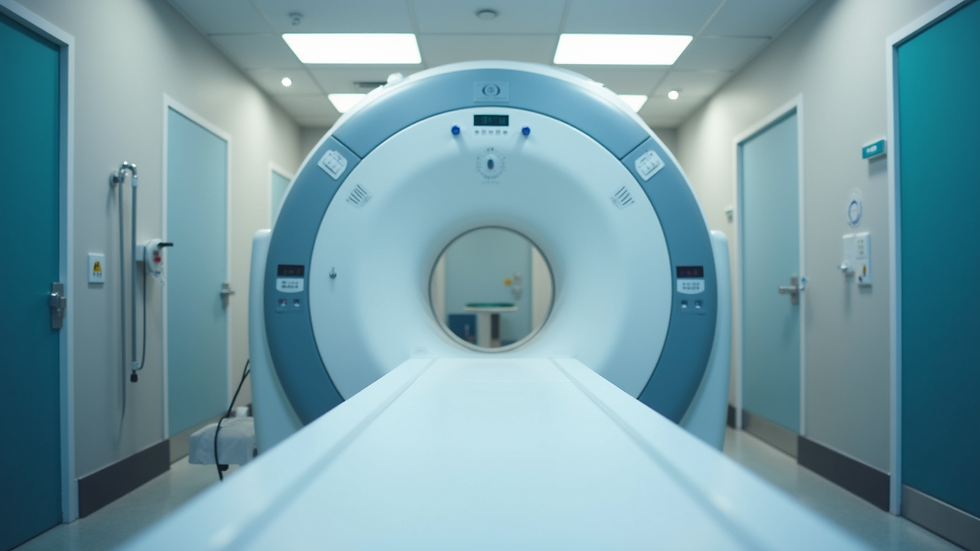
You’ll lie on a table that slides into a doughnut-shaped machine.
The machine takes X-ray images from different angles.
The scan is fast, often completed in a few minutes.
Sometimes, you may receive a contrast dye to highlight certain areas.
X-rays
You’ll stand or lie still while a machine takes a quick image.
It’s painless and usually takes just a few minutes.
Best for checking bones and chest conditions.
Knowing what to expect can help you feel more relaxed and prepared. If you have any questions or concerns, don’t hesitate to ask your healthcare provider.

How to Prepare for Your Imaging Appointment
Preparation can vary depending on the type of imaging you need. Here are some general tips to help you get ready:
Follow Instructions: Your doctor or the imaging center will give you specific guidelines. These might include fasting for a few hours or avoiding certain medications.
Wear Comfortable Clothing: Loose, comfortable clothes without metal zippers or buttons are best.
Remove Jewelry and Accessories: Metal can interfere with some scans, especially MRI.
Bring Your Medical History: Share any allergies, previous surgeries, or health conditions with the technician.
Arrive Early: Give yourself time to check in and relax before the procedure.
If you’re getting a scan for a child or a loved one who might feel anxious, bring a favorite toy or book to help them stay calm.
Finding Trusted Medical Imaging Services Near You
Choosing the right place for your imaging needs is important. You want a center that offers advanced technology, skilled technicians, and a welcoming environment. Many primary care providers, like AllCare Medical Centers, offer medical imaging services right where you receive your regular care. This makes it easier to schedule appointments and get results quickly.
When looking for a provider, consider:
Accreditation and Certification: Ensures the center meets high standards.
Experienced Staff: Qualified radiologists and technicians who explain the process clearly.
Convenient Location: Close to home or work to reduce travel stress.
Friendly Atmosphere: A place where you feel comfortable asking questions.
Remember, your health is a partnership. Don’t hesitate to discuss your options and preferences with your healthcare team.
Embracing Advanced Imaging for a Healthier Tomorrow
Advanced diagnostic imaging is more than just technology - it’s a bridge to better health. By providing clear, detailed pictures of what’s happening inside your body, these services help you and your doctor make smart choices. Whether it’s a routine checkup or investigating a new symptom, imaging can give you confidence and clarity.
I encourage you to take advantage of these tools when recommended. They are safe, effective, and designed with your well-being in mind. Together with your healthcare provider, you can build a strong foundation for a healthy future.
If you want to learn more or schedule an appointment, consider reaching out to trusted centers that offer comprehensive care and advanced imaging options. Your health journey is unique, and having the right support makes all the difference.


Comments